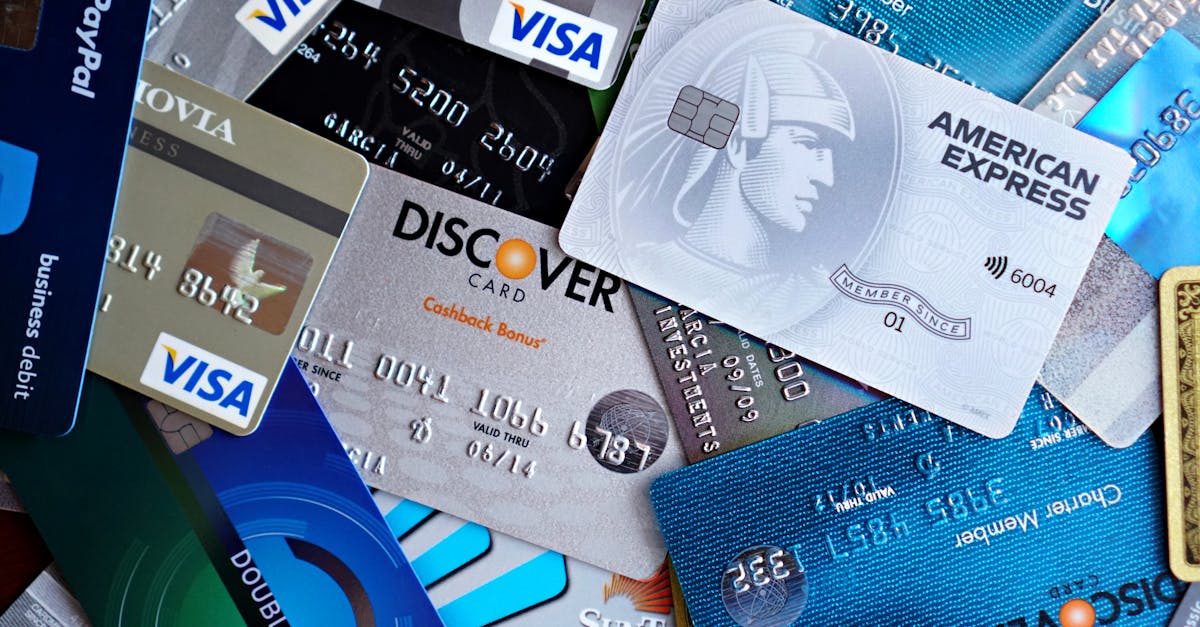
Master Your Plastic: How to Use Credit Cards Without Getting Into Debt
Have you ever looked at your credit card bill at the end of the month and felt a sudden jolt of panic? You are definitely not alone. Credit cards are often marketed as keys to luxury and convenience, but for many, they become heavy chains of interest and anxiety. The reality is that credit cards are simply financial tools. Think of them like a chainsaw; if you know how to handle it safely, it is an incredible asset for building your home, but if you treat it carelessly, it can cause severe damage. Using credit cards without sliding into debt is entirely possible, but it requires a shift in mindset and a dash of discipline.
Understanding Credit Cards as Tools, Not Extra Income
The biggest mistake most people make is viewing their credit limit as an extension of their bank account balance. It is not. That number on your statement represents how much the bank is willing to lend you, not how much money you actually have. To stay debt-free, you must view every transaction as an immediate subtraction from your checking account. If you cannot afford the item right now with the money currently in your pocket, you cannot afford to put it on a credit card. Period.
The Budgeting Foundation
Before you ever swipe that card, you need a map. A budget is your roadmap for where your money goes, ensuring that you are not spending money you haven’t earned yet. When you use a credit card, track those transactions immediately. If you have allocated three hundred dollars for groceries this month, and you spend one hundred dollars on a credit card, subtract that immediately from your mental or digital ledger. By the time the bill arrives, the money should already be sitting in your account, waiting to be transferred to the credit card issuer.
Strategic Payment Habits
The Golden Rule: Pay in Full Every Month
If there is one piece of advice that will save your financial life, it is this: pay your statement balance in full every single month. When you pay only the minimum, you are inviting the credit card company to charge you interest, which compounds and grows like a weed in your garden. By paying the full amount, you essentially get a free loan for a month and, in some cases, earn rewards, all while building your credit score.
Why Automation is Your Best Friend
Life gets busy. We forget birthdays, meetings, and sometimes, bill due dates. Missing a payment not only hits you with late fees but can also severely damage your credit score. Set up an automatic payment for the full statement balance. Even if you do not want to automate the whole payment, at least automate the minimum payment so you never accidentally miss a deadline.
Managing Your Credit Limit Wisely
Keeping Your Utilization Ratio Low
Your credit utilization ratio is the amount of credit you are using compared to your total limit. If you have a one thousand dollar limit and you carry a balance of nine hundred dollars, you are utilizing ninety percent of your credit, which makes lenders nervous and hurts your credit score. Try to keep your usage below thirty percent, even if you plan to pay it off in full. It shows lenders that you are a responsible borrower who doesn’t live right on the edge of their financial capability.
Avoiding the Trap of Limit Increases
Banks love to call you or send emails offering a limit increase. It sounds like a favor, but it is often a trap. A higher limit can give you a false sense of security, encouraging you to buy things you don’t need. If you are struggling with spending discipline, you might even consider asking your bank to lower your limit or keep it exactly where it is.
Understanding the Mechanics of Interest
How the Grace Period Really Works
Most credit cards offer a grace period, which is the time between the end of your billing cycle and the payment due date. During this time, you do not pay interest on new purchases. However, this grace period only exists if you paid your previous month’s bill in full. If you carry a balance, you lose this grace period, and interest starts accruing the moment you swipe your card. This is why paying in full is non-negotiable if you want to avoid expensive mistakes.
The Compound Interest Snowball Effect
Compound interest is often called the eighth wonder of the world when it works for your investments, but it is a monster when it works against you. Interest is calculated on your balance, and then the next month, you pay interest on that interest. It is a snowball rolling down a hill, gaining size and speed until it becomes an avalanche of debt that is incredibly difficult to stop.
Real Time Expense Tracking Techniques
Leveraging Modern Apps and Banking Tools
In the digital age, you have no excuse for not knowing your balance. Use your bank’s mobile app to check your account frequently. Many apps allow you to set up push notifications for every purchase. Seeing a notification pop up on your screen right after you buy a fancy latte acts as a psychological nudge to remind you of your spending limits.
Avoiding the Pain of Paying Effect
Psychologically, swiping a card feels different than handing over physical cash. This is called the pain of paying, and it is significantly dulled with credit cards, making it easier to overspend. To counteract this, try checking your credit card balance every time you make a purchase over a certain amount. Make it a habit to treat that digital swipe with the same level of care you would give to handing over physical paper money.
Navigating Reward Systems Without Overspending
Credit card companies want you to chase points and miles because they hope you will spend more to get them. Do not fall for the trap. Use your card for regular, necessary expenses like gas, groceries, and utilities to earn points, but never spend an extra dollar just to hit a reward threshold. If you spend five hundred dollars more than you planned just to earn a fifty-dollar flight voucher, you have actually lost money.
Why an Emergency Fund is Your Primary Credit Safety Net
The most common reason people fall into credit card debt is a surprise bill, like an unexpected car repair or medical emergency. If you have an emergency fund, you don’t have to reach for your credit card. An emergency fund is your shield. When life throws a rock at you, the money you have saved absorbs the blow, so you do not have to resort to borrowing at twenty percent interest.
Combating Lifestyle Inflation
As you make more money, you will be tempted to use your credit card to elevate your lifestyle. This is lifestyle inflation. Just because you have a higher credit limit or more disposable income does not mean you should increase your spending on non-essential items. Keep your standard of living steady, even when your income grows, and use the surplus to build your wealth rather than accumulating debt on plastic.
Conclusion: Taking Control of Your Financial Future
Using credit cards without debt is a skill, not a secret. It boils down to treating credit as a transaction method rather than an opportunity to spend money you don’t have. By tracking your spending, paying in full every month, and building an emergency fund, you can harness the benefits of credit cards like rewards and fraud protection without ever paying a cent in interest. You are the architect of your financial health. Keep your tools sharp, use them intentionally, and you will stay on the path toward long-term financial freedom.
Frequently Asked Questions
1. Is it better to have many credit cards or just one?
It is generally better to have one or two cards that you use consistently. Managing multiple accounts increases the risk of missed payments and makes it harder to track your total spending. Stick to what you can manage easily.
2. Will using a credit card hurt my credit score?
Using a credit card will only hurt your score if you miss payments or maintain a high balance relative to your limit. If you pay in full every month and keep your utilization low, it is one of the best ways to build a strong credit history.
3. What should I do if I can’t pay the full balance this month?
First, pay at least the minimum to protect your credit score. Then, create a strict budget to cut all non-essential spending for the following month so you can pay off the remaining balance as quickly as possible. Avoid using the card at all until the debt is cleared.
4. Does the date I pay my bill affect my interest?
Yes. If you do not pay by the due date, you lose your grace period, and interest is charged on your average daily balance. Always aim to pay your full statement balance before the due date to avoid interest entirely.
5. Are balance transfer cards a good way to get out of debt?
They can be a useful tool if you have high-interest debt, but they are only effective if you have the discipline to stop adding new debt to the card. They are a temporary bridge, not a permanent solution to overspending.